

Best stair tread covers can make the difference between a safe, stylish staircase and a hazardous, worn-out set of steps. Choosing the right type is crucial for preventing slips, minimizing early wear, and ensuring a look that actually fits your living space. The wrong pick can waste both effort and money—especially if installation or cleaning turns out harder than promised. Here’s how to select the right product and sidestep pitfalls based on real 2024 consumer and safety data.
Key Takeaways
- Top-rated stair tread covers in 2024 emphasize high slip resistance (COF 0.6+), easy DIY installation, and surfaces that are actually simple to clean—not just pretty in photos.
- Rubber, high-density PVC, and multi-layer polypropylene treads stand out for their durability and minimal complaints about early wear or poor adhesion.
- For best long-term performance, prep stairs thoroughly, pick tread covers with proven non-slip certifications, and always check compatibility with your stair material and shape.
- What You Need to Know About Best Stair Tread Covers
- Step-by-Step Guide and Tools for Installing Stair Tread Covers
- Expert Analysis, Comparison, and Pitfalls With Stair Tread Covers
- Conclusion: Should You Upgrade With Best Stair Tread Covers?
- FAQs for Best Stair Tread Covers
What You Need to Know About Best Stair Tread Covers
The core idea behind the best stair tread covers is combining safety, style, and endurance in one straightforward upgrade. Modern covers serve two purposes: reducing your slip risk and refreshing the appearance of old or slick steps. Certification matters more than marketing—look for products with a transparent Coefficient of Friction (COF) rating and real testing data.

Most premium options use heavy duty rubber, UV-resistant polypropylene, or dense PVC for both comfort and longevity. You’ll need a few essentials for installation, such as a utility knife, measuring tape, strong surface cleaner, and sometimes a heavy-duty peelable wallpaper roller. Make sure to match the tread cover type to your stair finish. Rubber works well for wood and tile, while low-profile polyester carpeting is best for quiet, indoor landings.
User feedback from 2024 strongly favors peel and stick models for simple DIY jobs but notes that tough jobs may require industrial strength double-sided tape or even waterproof silicone caulk sealant, especially for outdoor or uneven stairs. Brands like EdenProducts, Rubber-Cal, and XStep consistently earn high marks in authenticated reviews for holding up under daily use and maintaining their non-slip grip.
For other renter and DIY-friendly surface solutions, see our contact paper installation guide or our advice on floor smoothing with self-leveling compound.
Step-by-Step Guide and Tools for Installing Stair Tread Covers
Installing stair tread covers is an approachable weekend project—if you use the right process and materials. Here’s how to maximize traction and lifespan:
- Prep Each Step: Sweep and deep clean all stair surfaces using a non-residue degreasing cleaner. Dry fully before starting. Any dust or old adhesive can cause covers to peel up prematurely or trap air bubbles.
- Measure Twice: Use a fixed measuring tape to check each step’s width and depth, since older homes can have stair variations.
- Test Fit and Mark: Dry-fit the tread covers starting at the top stair, making subtle marks with painter’s tape as alignment guides.
- Cut to Fit: With a sharp utility knife and metal ruler, trim each cover as needed. For tricky curves, try heavy-duty scissors or a rotary cutter for clean, precise edges.
- Apply Adhesive (if Required): For peel and stick models, remove the backing gradually as you press into place with a wallpaper roller to prevent bubbles. For loose-lay or rubber types, apply anti-slip double-sided tape, or in high-moisture zones, waterproof silicone caulk sealant at the edges can help prevent shifting.
- Secure Edges: For carpet treads, consider using a stair tread installation kit with tack strips or small nails if the manufacturer’s instructions allow. Always check for protruding fasteners for safety.
- Test for Slippage: Step carefully on each tread before regular use, checking for any lift or movement and making adjustments as needed.
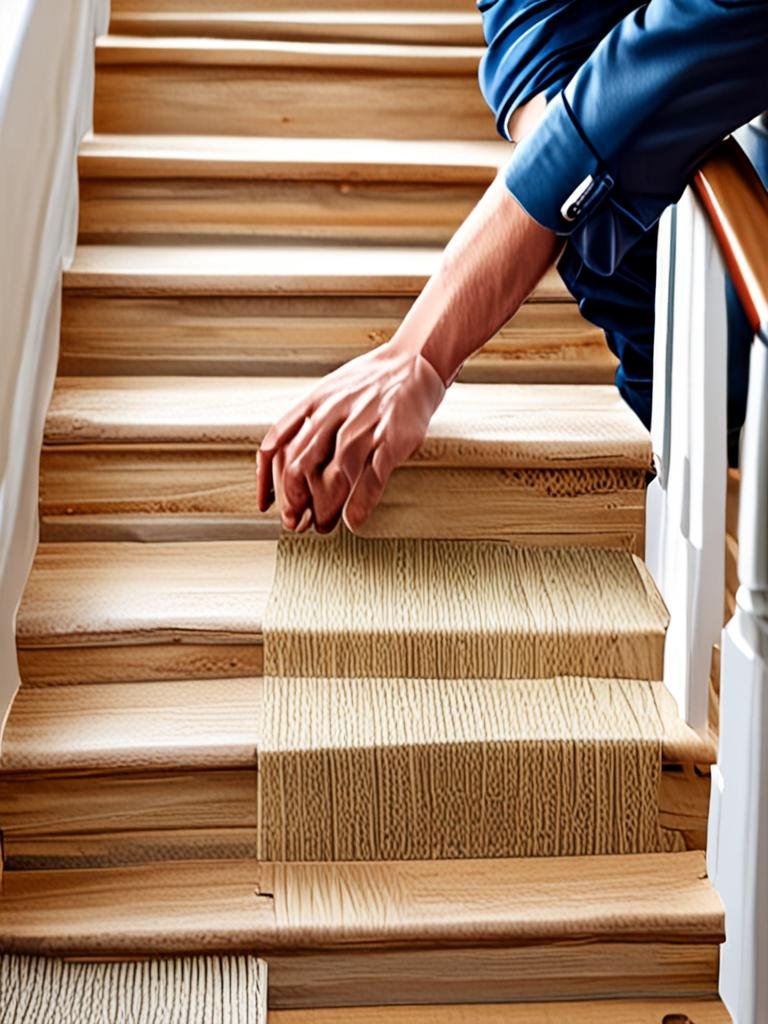
If your stairs have dips or an uneven surface, a self-leveling floor compound can create the ideal base for adhesive treads. For details, check our step-by-step self-leveling compound guide.
Expert Analysis, Comparison, and Pitfalls With Stair Tread Covers
While stair tread covers provide instant safety and style, common problems impact long-term results:
- Poor Adhesion: Skipping surface prep or installing over dust and oils nearly always leads to edges curling or the cover slipping out of place.
- Rapid Wear: Thin, low-density materials—especially bargain options—can show bald spots or lose grip within months in busy households.
- Difficult Cleaning: Some textiles and patterned rubber collect dirt and trap hair. If you have pets, look for covers marked “easy to sweep or wipe.”
- Aesthetic Issues: Consumer reviews flag up major disappointment with covers whose color or texture looks noticeably different from website imagery. Check recent unfiltered photo reviews before choosing a brand.
Review the table below for the latest 2024 feature and performance comparison:
| Stair Tread Cover Type | Slip Resistance (COF) | Durability (Months of Use) | Installation Skill | Cleaning Ease | User-Reported Pitfalls |
|---|---|---|---|---|---|
| Heavy Duty Rubber | 0.8+ (Commercial Grade) | 12+ | DIY Friendly | Easy Wipe | Occasional edge curl on cool or damp installs |
| Peel and Stick PVC | 0.6+ (Residential) | 6–12 | Very Easy | Damp Cloth | Can lose adhesion on unprepped/porous wood |
| Polypropylene Carpet | 0.6+ | 9–18 | Moderate: may need tacking | Vacuum or Spot Clean | Potential to fray in high-traffic homes |
| Premium Brand Multi-Layer (e.g., EdenProducts) | 0.8, Certified | 12+ (proven in tests) | DIY Friendly | Very Easy | Minimal—high marks long-term |
Independent durability tests (Home Depot Buying Guide) and real-world 6–12 month testimonials reveal that brands like Rubber-Cal and EdenProducts often outperform cheaper alternatives in both grip and visual appeal. For eco-conscious shoppers, seek out treads made from upcycled rubber or sustainable polypropylene, as detailed by sustainable materials directories like Green Building Solutions.
Durability and cleaning are often overlooked until after purchase—check out our tips on renter-friendly maintenance for ideas on keeping soft surfaces fresher longer.
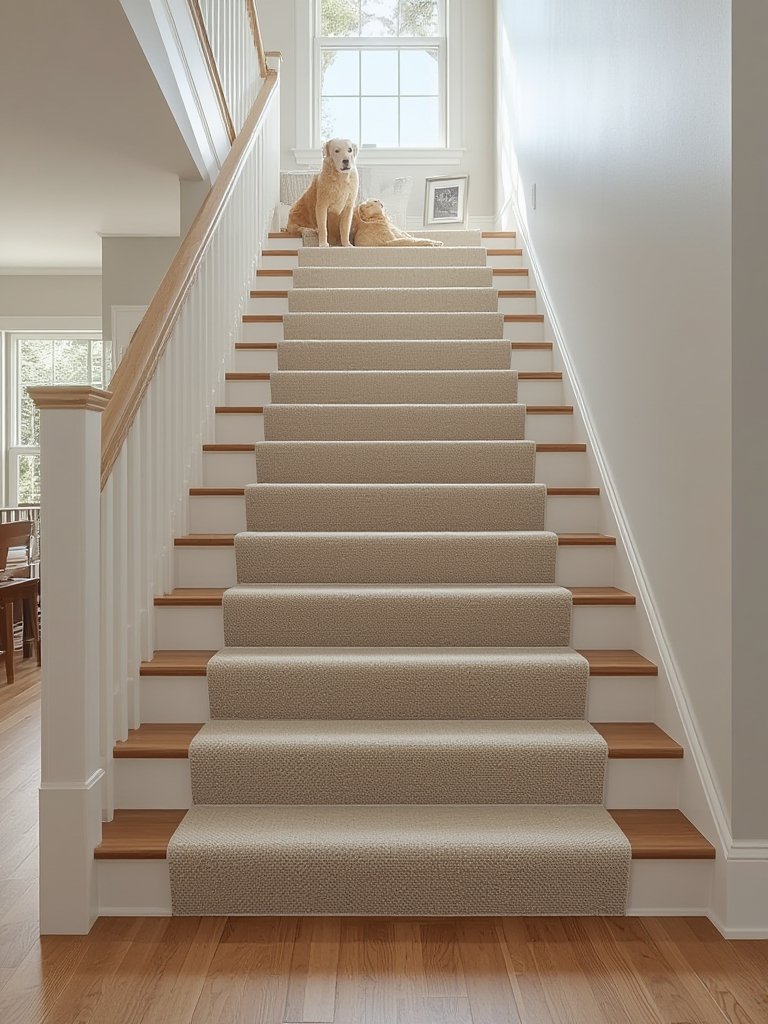
Conclusion: Should You Upgrade With Best Stair Tread Covers?
The best stair tread covers deliver measurable gains in safety and ease of use when you select a style matched to your living conditions and install with care. User reviews and independent tests show that skipping on prep or buying bargain thin materials often leads to frustration and premature replacement. Invest in quality non-slip models, follow best practices for installation and cleaning, and your stairs will remain both safer and better looking for years. Ready to find your ideal upgrade? Shop confidently and transform your steps with best stair tread covers that fit your lifestyle.
FAQs for Best Stair Tread Covers
How do I choose the right stair tread cover material?
Select rubber or multi-layer polypropylene for durability and slip resistance on high-traffic stairs. For quieter steps or indoor aesthetics, dense polyester carpet treads work well but may need more upkeep.
Do stair tread covers damage wood stairs?
Most non-permanent covers, such as peel and stick or loose-lay rubber, do not harm sealed wood. Always test adhesive in a hidden spot and thoroughly clean off residue during future removal.
How often do stair tread covers need replacing?
High-quality covers with a COF of 0.6 or higher can last 1–2 years or longer in average homes. Replace sooner if you notice peeling, tearing, or loss of grip in high-use areas.
Are these covers suitable for concrete or outdoor steps?
Yes, heavy-duty rubber and certified slip-resistant PVC models work well on sealed concrete and outdoor stairs. Look for UV protection and waterproof labeling for exterior use.
What is the best way to clean stair tread covers?
Wipe rubber or PVC covers with a damp cloth or mild detergent. For carpeted treads, vacuum weekly and spot clean stains promptly using a fabric-safe cleaner.