
As an Amazon Associate, RenewRooms earns from qualifying purchases. When you buy through links on our site, we may earn a commission at no extra cost to you.
Best self leveling compound is a must-have for anyone wanting a smooth, durable floor before installing tile, vinyl, laminate, or other finish materials. Whether you are fixing uneven concrete or preparing a wood subfloor, the right compound saves time, prevents costly issues, and affects the long-term success of your project.
Key Takeaways
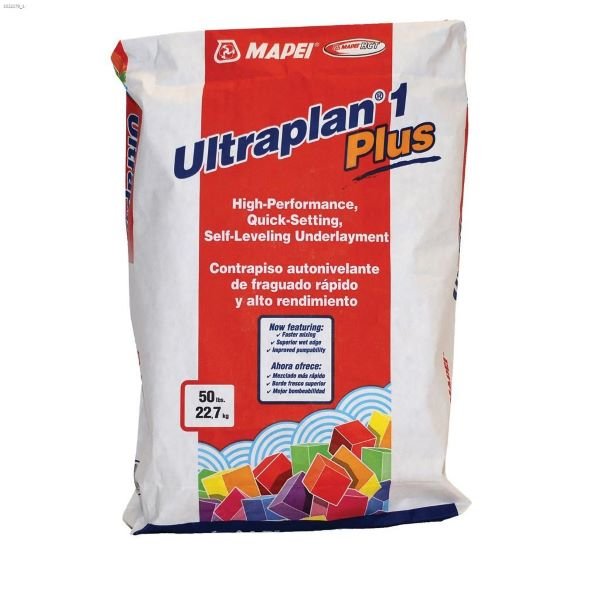
- Top self-leveling compounds in 2024 include Ardex K 15, Mapei Ultraplan 1 Plus, and Sika Level-125, each with unique strengths and uses.
- Proper prep and correct mixing are critical—especially with wood subfloors where flexibility and primer usage matter most.
- Problems like cracking and poor adhesion usually come from rushing, incorrect conditions, or skipping vital steps detailed in manufacturer guidelines.
- What Is Self-Leveling Compound? Why Use It?
- How to Use the Best Self Leveling Compound: Step-by-Step
- Advanced Analysis & Common Pitfalls
- Conclusion
- FAQ
What Is Self-Leveling Compound? Why Use It?
Self-leveling compound is a cement-based mixture that spreads across floors and finds its own level, filling dips and smoothing irregularities. It’s used to prep uneven concrete or wood subfloors before laying final floor coverings. In 2024, updated formulas from brands such as Ardex, Mapei, and Sika offer improved workability, faster drying, and better crack resistance.
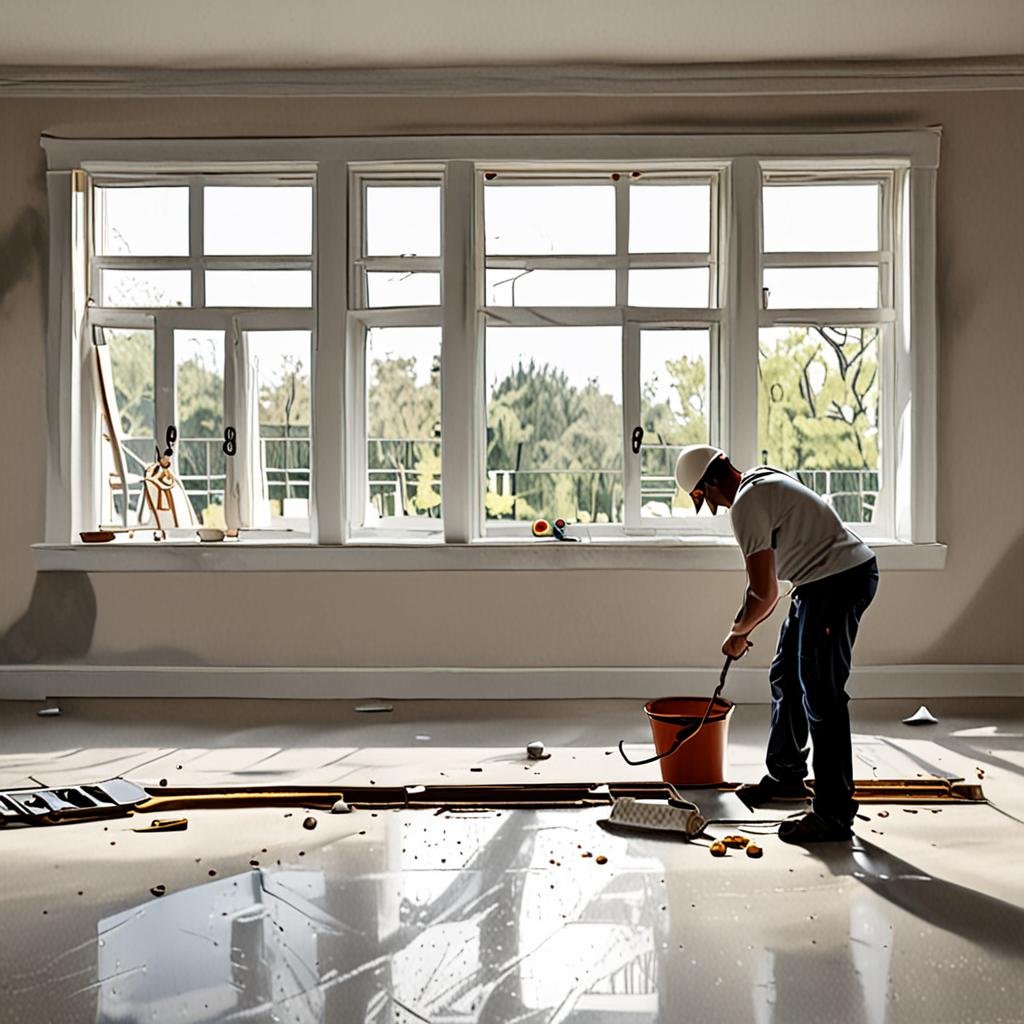
You want a flat surface for installations like tile, vinyl, or engineered wood. Even small high spots or dips can cause bouncy floors, tile cracks, or unsightly seams. The best self leveling compounds bond closely to concrete, and specialized products adapt to wood’s natural movement. Making the right choice and nailing the install process prevents costly repairs and extends floor lifespan.
How to Use the Best Self Leveling Compound: Step-by-Step
A smooth, flat floor requires careful prep, correct mixing, and smart application. Here’s a reliable process for home DIYers or pros:
- Surface Prep: Clean, dry, and vacuum the entire subfloor. Remove any loose material or paint. For wood, ensure the panels are secure and deflection-free.
- Priming: Apply the manufacturer-recommended primer and allow it to dry. This is essential for proper adhesion and flow.
- Mixing: Use cold, clean water as specified on the bag (never guess the ratio). Mix with a high-torque drill until completely lump-free.
- Application: Pour immediately, leveling the product with a gauge rake. For wood, reinforce with metal lath if required.
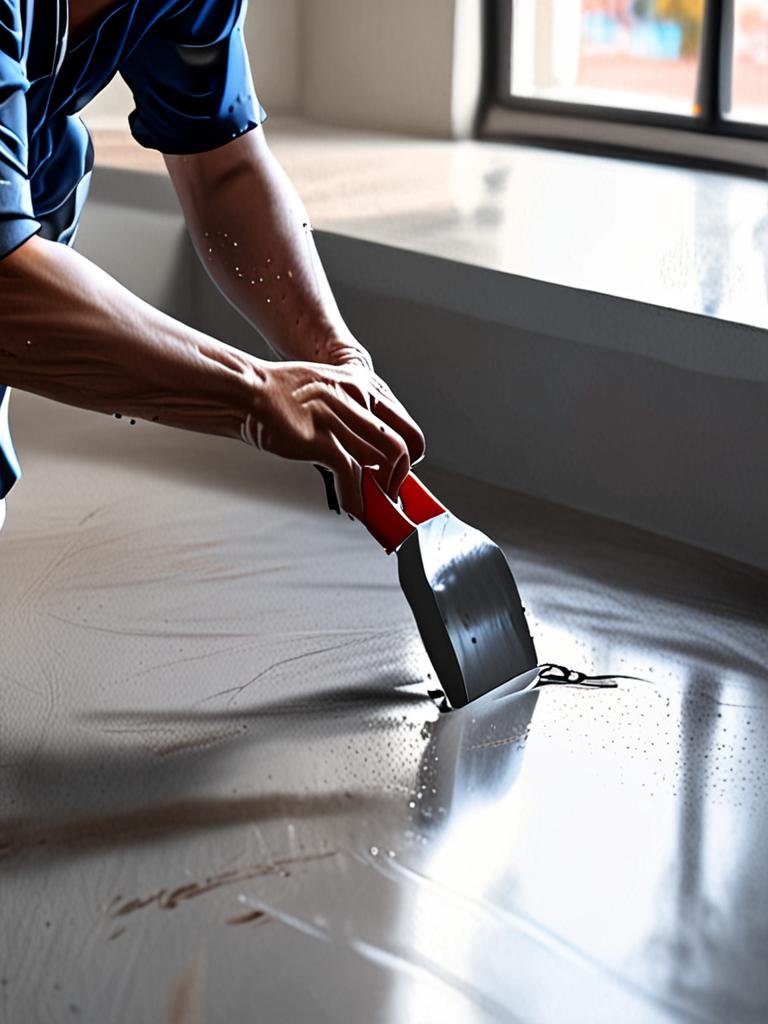
- Finishing: Use a smoothing tool or trowel to finish edges and reach corners. Avoid backtracking—compound sets quickly.
- Drying/Curing: Let set for the minimum manufacturer time (often 2–4 hours for light foot traffic, 24+ hours before covering).
For more inspiration on transforming home spaces with smart finishes, see our guide to the best peel and stick backsplash tiles—another fast, clean upgrade for kitchens and baths.
Advanced Analysis & Common Pitfalls
Even with top-rated products, self-leveling compound projects can go wrong if you overlook these common pitfalls:
- Incorrect water ratio or mixing: Adds risk of weak set, improper flow, or excessive cracking.
- Poor surface prep: Dust, oil, or moisture can block adhesion—always clean and prime.
- Skimping on reinforcement on wood: Ignoring mesh or lath for wood subfloors leads to future cracks and movement issues.
- Inadequate environmental control: High humidity or cold slows setting and affects long-term strength.
- Drying time rush: Walking or installing over the compound too early causes surface defects.
Here’s a side-by-side comparison of leading 2024 products:
| Product | Type | Compressive Strength (psi) | Setting Time | Ideal For |
|---|---|---|---|---|
| Ardex K 15 | Concrete | 4100+ | 3-4 hours | Large areas, moderate repairs |
| Mapei Ultraplan 1 Plus | Concrete | 4100+ | 2-3 hours | Fast turnaround projects |
| Sika Level-125 | Concrete | 3500+ | 4-5 hours | High-traffic areas |
| Ardex Liquid BackerBoard | Wood Subfloors | 4100 | 3-4 hours | Flexible, wood subfloors |
| Henry 555 Level Pro | Wood Subfloors | 3000+ | 2-4 hours | DIY, small jobs |
Longevity and durability can also depend on environmental conditions; few guides discuss how humidity or temperature swings affect outcomes long-term. If you’re updating a bathroom, see our latest bathroom ideas and upgrades for ways to finish the job and avoid common pitfalls with wet areas.
Conclusion
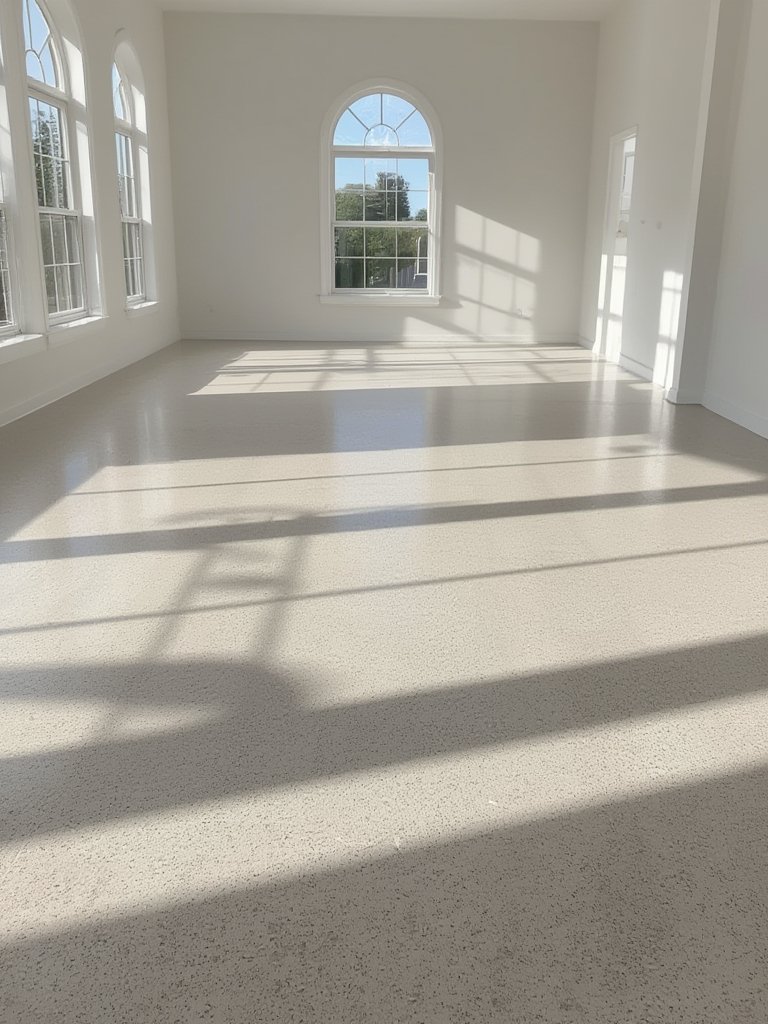
Achieving a perfectly level floor with the best self leveling compound comes down to matching the right product to the job, following prep and mixing instructions to the letter, and staying aware of issues like temperature and humidity. For lasting results, always follow manufacturer guidelines and never rush between steps. When in doubt, consulting detailed manufacturer recommendations and recent reviews saves frustration. Ready to start? Check which room needs leveling first—then pick the compound that fits your subfloor and project size.
FAQ
What is the best self leveling compound for wood subfloors?
Ardex Liquid BackerBoard and Henry 555 Level Pro are two of the highest-rated options for wood in 2024. They are more flexible and handle the movement of wood substrates better than typical concrete-only levelers.
Can I use self-leveling compound on floors with old adhesive?
No. Old adhesive should be removed completely, as it can block adhesion and lead to future lifting or cracks. Always start with a clean, stable base.
How much does a self leveling compound cost per square foot?
Most top-levelers vary in cost per sq ft depending on thickness and brand. A single 50lb bag typically covers 30–50 sq ft at 1/8″ thickness.
How long before I can walk on or cover the new leveled floor?
Premix products like Mapei Ultraplan 1 Plus can often accept light foot traffic in 2-4 hours, but always follow the bag instructions. Wait at least 24 hours before installing tile, vinyl, or other flooring.
Will temperature or humidity change the results?
Yes. High heat causes leveler to set too fast, and cold or humidity slows or weakens the cure. Aim for moderate, stable conditions whenever possible.


[…] For other renter and DIY-friendly surface solutions, see our contact paper installation guide or our advice on floor smoothing with self-leveling compound. […]