As an Amazon Associate, RenewRooms earns from qualifying purchases. When you buy through links on our site, we may earn a commission at no extra cost to you.
Magnetic shelf solutions are quickly becoming the go-to choice for renters and homeowners who want versatile, no-drill storage in kitchens, laundry rooms, or garages.
Key Takeaways
- Magnetic shelves offer renter-friendly, instant storage but require careful attention to weight limits and magnet strength for safe use.
- Not all models are equal—high-quality shelves feature neodymium magnets, steel construction, and rust-resistant coatings for durability and holding power.
- User complaints center on shelf slipping, magnet detachment, and scratching surfaces, but following best practices can minimize these issues.
- What Is a Magnetic Shelf and Why Choose One?
- How to Install and Optimize a Magnetic Shelf (Step-by-Step)
- Expert Analysis: Pitfalls, Limits, and Real-World Problems
- Conclusion
- Frequently Asked Questions
What Is a Magnetic Shelf and Why Choose One?
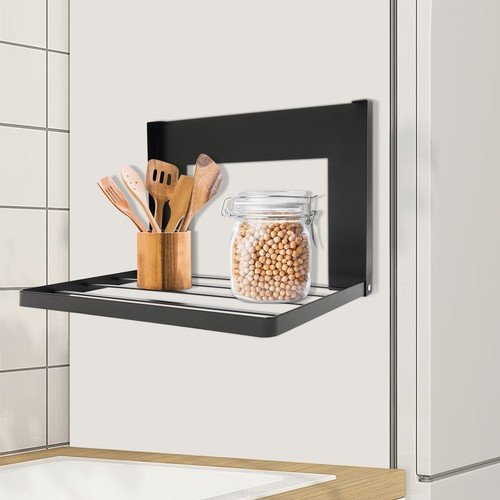
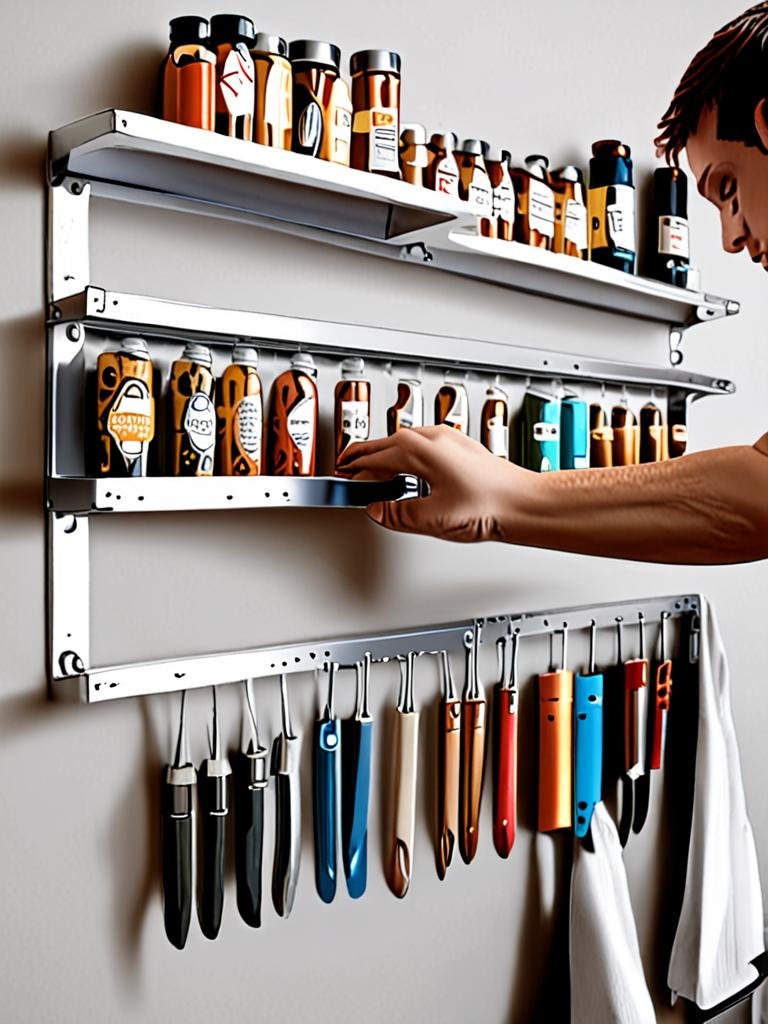
Magnetic shelves use powerful magnets to stick securely onto metal surfaces without screws or adhesives. This makes them ideal for places like kitchen fridges, laundry machines, and garage toolboxes. They’re especially popular with renters because you can add space instantly, then remove or reposition the shelf without leaving marks or holes.
Unlike permanent shelving or sticky racks, magnetic shelves rely on the direct contact between powerful rare-earth magnets (neodymium or strong ferrite) and metal appliances. You’ll find a wide range of load capacities—from simple spice racks that hold 5 pounds to heavy-duty versions for the garage that support up to 100 pounds (as tested by brands like Master Magnetics).
They’re also exceptionally easy to install and remove, making them a top choice for:
- Adding kitchen storage without drilling
- Organizing soap and supplies above a washer-dryer
- Holding tools and sprays in the garage
But with these perks come a few risk factors—surface scratches, slippage, and sometimes, unexpectedly weak holding power in real-world use.
For more ideas on flexible, low-commitment upgrades for kitchens and baths, see our review of best peel-and-stick backsplash tiles.
How to Install and Optimize a Magnetic Shelf (Step-by-Step)
Getting your magnetic shelf to work reliably (and safely) involves more than just slapping it on the fridge. Here’s a precise, stepwise approach to maximize performance and minimize risk.
- Choose the Right Shelf for the Job. Match the shelf’s listed maximum load to your intended use (e.g., 25+ lbs for kitchen appliances, 75-100 lbs for garage storage). Opt for neodymium magnets and steel shelves for the highest load and best stability.
- Inspect Surface and Shelf Magnets. Clean both the metal surface and all magnetic contact points. Even minor dust can dramatically weaken the grip over time.
- Test Placement Before Loading. Place the shelf—empty—on your chosen spot and check for wobble, sliding, or weak adhesion. If the shelf budges at all, pick a more ferrous spot or adjust placement.
- Load Items Progressively. Start with the lightest items and watch for shifting. Only add heavier contents after confirming the shelf remains completely stable.
- Protect Surfaces from Scratches. Many shelves (especially lower-cost models) lack padding. Add felt pads or non-slip rubber tape if you notice friction or scratching.
- Regular Maintenance. Every few weeks, remove the shelf and wipe down both magnets and appliance surface. This prevents both corrosion and hidden build-up that could impact grip and cause unexpected detachment.
For a full apartment-friendly, upgrade-friendly approach, our guide to renter-friendly bathroom upgrades is another great resource.
Expert Analysis: Pitfalls, Limits, and Real-World Problems
While magnetic shelves are marketed as hassle-free, user reviews and real-world testing reveal several common pitfalls and technical gaps.
| Application | Weight Range (2024 models) | Key Problems | Price Range |
|---|---|---|---|
| Fridges & Spice Racks | 5–50 lbs | Sliding, surface scratches, limited capacity | Varies by model |
| Washer/Dryer | 10–75 lbs | Magnet failure, slipping, rust (if uncoated) | Varies by model |
| Garage (tools/cleaning) | 15–100 lbs | Accidental detachment, magnet detachment from shelf body | Varies by model |
- User Complaints: Many users on Reddit and product reviews mention shelves gradually sliding down over time, especially on slick or rounded appliance doors.
- Surface Compatibility: Shelves often perform poorly on textured or powder-coated surfaces. Ferrite magnets, in particular, lose significant holding power unless the surface is perfectly clean and flat.
- Scratch or Finish Damage: Frequent repositioning or overloading can mark or gouge stainless steel and painted surfaces—an issue echoed in Consumer Reports coverage. Always check your lease terms about appliance damage before mounting.
- False or Overstated Ratings: Some budget brands exaggerate advertised holding power. Real-world load capacity often falls 20–30 percent below the “lab tested” limits, especially if magnets are not flush with the appliance surface.
- Magnet Detachment: Especially with heavier shelves (over 50 lbs), lower-quality units may have their magnets separate from the shelf body, creating sudden safety hazards.
Many how-to articles still gloss over these crucial problems and lack specific guidance on maximizing shelf grip or verifying actual load limits. To deepen your space-planning strategy, see our post on living room organization for renters.

Conclusion
Magnetic shelves are a smart, renter-proof storage upgrade—if you respect their limits and install them carefully. High-quality models with neodymium magnets and rust-protected steel are long lasting, but even these require regular cleaning and sensible load management. Understand your appliance’s surface and always stay under the recommended weight. The right magnetic shelf can solve tricky storage issues in just seconds.
Ready to try? Prioritize a shelf rated well above your expected load, use simple friction pads, and enjoy the flexibility. For more space-saving, renter-friendly solutions, explore our other guides or share your experience below.
Frequently Asked Questions
Do magnetic shelves scratch appliances?
They can scratch if mounted or shifted without protection. Using rubber pads or felt will help prevent marks on painted or stainless steel surfaces.
How much weight can a magnetic shelf really hold?
Models for fridges typically support 5–50 lbs, while garage shelves can go to 100 lbs—but real-world safe loads are often 20% below listed ratings. Test before loading fully.
Can magnetic shelves be used on any surface?
No—only ferrous (magnetic) metals work. Many modern appliances have non-magnetic doors, so always test first with a fridge magnet before purchasing.
Are magnetic shelves safe for renters?
Yes, they’re a top renter-safe option. Just use padding to avoid scratches, don’t overload, and check move-out policies to avoid security deposit issues.
What is the best material for a heavy-duty magnetic shelf?
Steel with a powder-coated, rust-resistant finish and neodymium magnets is the most durable and long-lasting option for heavier loads.