As an Amazon Associate, RenewRooms earns from qualifying purchases. When you buy through links on our site, we may earn a commission at no extra cost to you.
Smart bidet seats are transforming bathrooms by making hygiene smarter, more comfortable, and eco-friendly. As adoption surges in 2024 thanks to rising awareness and evolving technology, more homeowners are considering installing a smart bidet but face real questions about fit, installation, energy use, and costs. Here’s what you need to know to avoid common pitfalls—and make the best choice for your home.
Key Takeaways
- smart bidet seats offer advanced hygiene, energy savings, and eco-friendly benefits, with rapid market growth in the US and Europe.
- Installation requires careful planning for power, fit, and water supply—anticipate challenges with outlets and toilet compatibility.
- Choosing the right smart bidet model and following installation tips avoids common user frustrations with fit, temperature, and connectivity.
- What Is a Smart Bidet and Why Consider One?
- How to Install and Set Up a Smart Bidet Seat (2024 Guide)
- Advanced Analysis & Common Pitfalls
- Conclusion
- Frequently Asked Questions
What Is a Smart Bidet and Why Consider One?
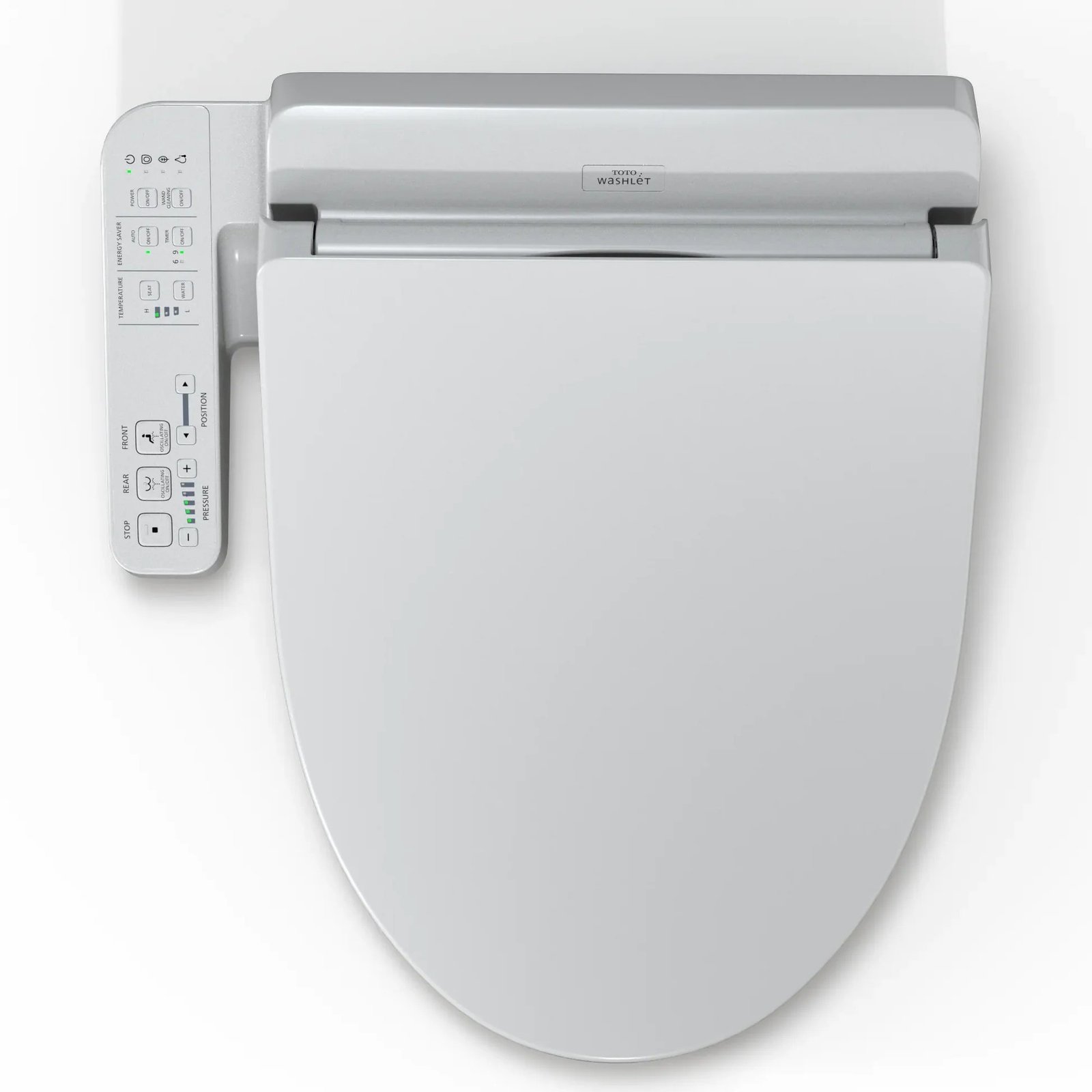
A smart bidet is an electronically controlled toilet seat that provides a more hygienic, comfortable, and often eco-friendly bathroom experience than traditional toilets. Advanced features like heated seats, automated water cleaning, adjustable temperature and pressure, self-cleaning nozzles, and even wireless app or voice control make these devices increasingly appealing to homeowners seeking luxury, sustainability, or both.
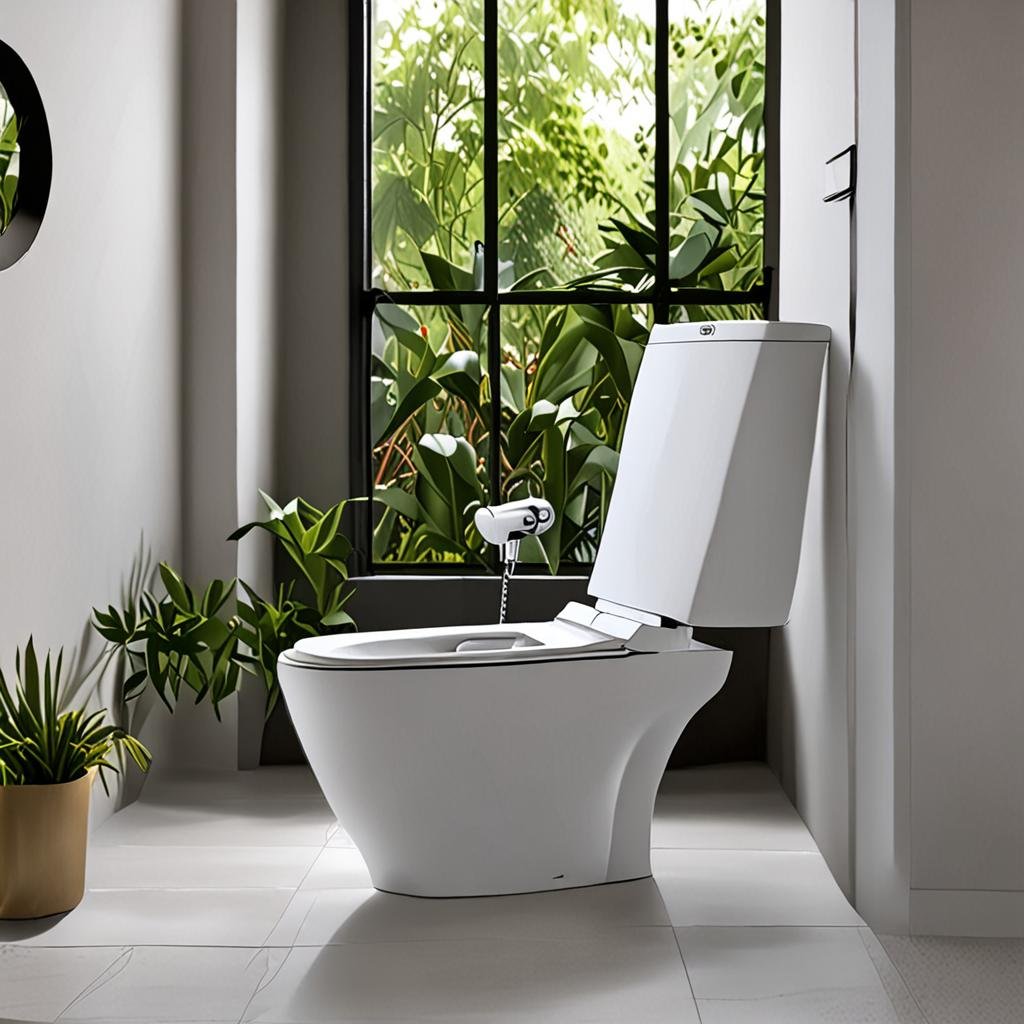
Why are more people investing in smart bidet seats now? Several trends are converging:
- Hygiene awareness is up: Consumers want touch-free, self-cleaning features for improved sanitation.
- Eco-friendly appeal: A smart bidet significantly reduces toilet paper use, lowering costs and environmental burden.
- Smart home integration: Models now feature app control, voice commands, and energy-saving systems that fit modern lifestyles.
According to recent market research, US adoption is accelerating with a projected 10-12% CAGR through 2024, mirroring eco-conscious growth in Europe. While American consumers often prioritize comfort and luxury (like heated seats and ambient lighting), European buyers lean toward water efficiency and sustainability. For renters or those seeking quick style upgrades, bidet seats offer a compelling, temporary solution that complements other upgrades—a point echoed in our bathroom inspo guides.
How to Install and Set Up a Smart Bidet Seat (2024 Guide)
Installing a smart bidet isn’t plug-and-play for every home—especially older bathrooms. Here’s a detailed, actionable process to get your seat working while sidestepping common headaches.
- Choose the right model.
- Check toilet compatibility: Elongated is more common for bidet seats, but round models are available. Measure your toilet’s mounting holes and bowl length (usually 18-19 inches for elongated, 16-17 for round).
- Select features: If you value energy efficiency, look for ENERGY STAR certification and models with timers or standby modes.
- Gather tools and prep space.
- Basic set: Adjustable wrench, flathead screwdriver, towel or bucket for leaks.
- If mounting to tile or older porcelain, a drill (with a bit rated for ceramics) may be needed.
- Remove the old seat and clean.
- Unscrew the bolts under the toilet seat and pull it off. Clean the area to ensure a snug fit for the new unit.
- Attach mounting plate and seat.
- Follow your bidet’s template—most seats slide onto a plastic or metal mounting plate screwed to the bowl.
- Connect the water line.
- Turn off the shutoff valve, then connect the T-valve adapter between the supply and tank.
- Tip: Use plumber’s tape to ensure no leaks and hand-tighten securely before turning the water back on.
- Plug in (or power up) the seat.
- If you have a nearby GFCI-protected outlet, plug the power cord in. For battery-powered models, insert and fully charge following instructions.
- Test all functions in order.
- Check heating, nozzle self-cleaning, remote connectivity, water pressure, and temperature. Make any needed adjustments before regular use.
If your bidet seat offers smart integration, now is the time to pair it with Alexa or Google Home using the app, following the manufacturer’s Wi-Fi or Bluetooth setup. Keep in mind, even top models like TOTO or Kohler might require firmware updates—check instructions or consult technical support if features aren’t immediately responsive.
For a quick boost to your bathroom’s look and feel, you can pair new fixtures and smart cleaning with style upgrades—see our latest ideas on bathroom color palettes and easy upgrades for more inspiration.
Advanced Analysis & Common Pitfalls
Adoption of smart bidet seats isn’t always smooth. Many buyers report frustrating issues that could be avoided with better planning. Below, we dig into frequent challenges, costs, and important feature comparisons for 2024 models.
Common Pitfalls and How to Avoid Them
- Electrical outlet location: No nearby power source is a hurdle in older homes. Unless you pick a battery-powered model, expect to hire an electrician—costs usually vary by job
- Fit issues: Bidet seats don’t fit every bowl type. Skipping the measurement step leads to returns and frustration, especially with uniquely shaped or compact toilets.
- Water connection leaks: If the T-valve adapter isn’t tight or plumber’s tape isn’t used, small leaks can go unnoticed at first.
- Unstable temperature or pressure: Smart bidet seats tap into cold water lines. If your home’s water pressure fluctuates or if the heater is underpowered, users may experience temperature drops or weak spray—see real customer feedback in Consumer Reports reviews.
- Remote malfunctions: Battery life varies, and some units lose connection beyond 20-30 feet, especially through walls.
Installation Cost and Model Feature Comparison
| Model Feature | DIY Install Cost | Pro Install Cost | Typical Downsides |
|---|---|---|---|
| Standard bidet seat (heated water, no smart features) | Varies by model for basic adapters and tools | Varies by model | No remote/app, only basic cleaning |
| Smart bidet w/ app + voice (TOTO, Kohler, Brondell, Alpha) | Varies by model (plus outlet if needed) | Varies by model (incl. electrician) | |
| Battery-operated models | Varies by model (no outlet needed) | Varies by model |
For the most advanced features, like UV self-sanitizing nozzles, expect to pay a premium. Models with robust wireless integration (e.g., Alexa/Google Home) and energy-saver heating tend to use less power than traditional standalone water heaters, but their energy draw is still far higher than basic, non-electric add-ons.
Interestingly, using a smart bidet can reduce household water use—the gentle spray consumes less water than flushing “flushable” wipes or excessive toilet paper. The greatest eco-savings come from ditching paper almost entirely, but not everyone is ready to go 100% paperless. For renters or those looking for even more budget-friendly quick updates, renter-friendly bathroom improvements can make a big visual impact in tandem with a new bidet seat installation.
Feature Checklist for 2026’s Best Smart Bidet Seats
- Heated seats (adjustable 85-105°F, energy efficient)
- Self-cleaning stainless steel or antimicrobial nozzles, UV sanitization
- Full wireless control (Alexa/Google, app, remote)
- Pressure and temperature adjustment (stable, responsive sensors)
- Quiet-close lids and seat sensors
Conclusion
Smart bidet seats can make your bathroom cleaner, more comfortable, and more sustainable, but only if you prepare for install needs and choose a model that actually fits your toilet and lifestyle. From outlet challenges to water pressure quirks and the nuances of Wi-Fi pairing, it pays to plan ahead. If you want the best experience, read user reviews, measure carefully, and consider professional installation for advanced models. Ready to join the smart home wave? Upgrade your bathroom with a smart bidet—and experience real innovation where it counts.
Looking for more creative ways to update your bathroom? Check out our guide to bathroom color palettes and renter-friendly upgrades.
Frequently Asked Questions
Do all smart bidet seats need an electric outlet?
No, but most advanced models require a GFCI-protected outlet nearby. Some entry-level or battery-powered seats work without electricity, but offer fewer features (lower pressure, no heated seat, or limited wash cycles).
Can a smart bidet be installed on any toilet?
No. Check your toilet’s shape and measure the seat area before buying. Most modern elongated toilets are compatible, but compact or older toilets may not fit all seats. Always double-check specs.
Does using a smart bidet increase household energy bills?
A smart bidet uses less energy than a traditional water heater for bidet-like washing, thanks to on-demand heaters and smart standby modes. However, seats with heaters and wireless tech do draw some extra power—models with ENERGY STAR or timers can minimize the impact.
How much toilet paper can I save with a smart bidet?
Most users cut toilet paper use by 75% or more after switching, with some going nearly paperless. Long-term savings can be significant—both for your wallet and the environment.
How long does installation take for a typical smart bidet seat?
DIY installation averages 1 to 2 hours if you have the right tools and an accessible outlet. Complex models or new outlet installation can take longer and may require a professional.
—