Best wall anchors for heavy items are essential when you need to securely mount TVs, shelving, or artwork without worrying about them coming loose over time. With many types available, choosing the wrong anchor or installing it improperly can cause frustrating failures and even costly wall damage. Knowing which anchor to use and how to install it is the key to getting a safe, long-lasting result for your home projects.
Key Takeaways
- Toggle bolts are preferred by engineers when hanging heavy or dynamic loads because of their superior clamping force, but they require a deeper hole and careful installation.
- User complaints show that improper anchor choice or hurried installation leads to pulling out, wall damage, and failed mounts. Weight ratings depend on wall type, anchor material, and correct technique.
- Special environment factors—such as high humidity or hidden wiring—require additional product selection care. Always check the wall structure and use appropriate safety tools to avoid costly mistakes.
- What You Need to Know About Best Wall Anchors for Heavy Items
- Step-by-Step Installation & Tools for Heavy Duty Anchors
- Advanced Analysis, Comparisons & Common Pitfalls
- Conclusion: Choosing Wall Anchors for Heavy Loads
- FAQ: Best Wall Anchors for Heavy Items
What You Need to Know About Best Wall Anchors for Heavy Items
Understanding the best wall anchors for heavy items starts with identifying the correct anchor type for your wall—whether drywall, plaster, or masonry. For mounting TVs, heavy mirrors, or shelving, common solutions include toggle bolts, molly bolts, and self-drilling anchors. A drill-driver set with multiple bit sizes, deep wall scanner to detect pipes and wires, heavy duty level, and a marking pencil are essential for a successful and safe installation. The right anchors and correct install technique reduce the risk of costly wall failures and help distribute load evenly, minimizing wall stress.

Toggle bolts are considered the strongest choice for many heavy duty hanging applications, supporting between 100 to 200 lbs in drywall if installed correctly. Molly bolts can handle moderate loads and expand behind the wall for added security but are capped at around 50 lbs in drywall. Self-drilling anchors are the quickest to install but offer lower ratings, usually best for accessories and smaller shelves up to around 75 lbs. When working in masonry, use wedge or sleeve anchors for the highest load capacity. Expert installers recommend choosing your anchor type based on your exact wall material and load requirements to avoid critical mounting failures. For more about wall modification pitfalls, see our guide on using the best self leveling compound for walls.
Step-by-Step Installation & Tools for Heavy Duty Anchors
Installing the best wall anchors for heavy items requires preparation, accuracy, and the right safety steps. Here’s a practical process usable for most homes and common wall types:
- Inspect and prepare: Use a deep wall scanner to detect hidden wires or plumbing. Mark your mounting location precisely with a pencil and a heavy duty level for horizontal accuracy.
- Select and size: Pick your anchor based on the wall material and intended weight. Toggle bolts and molly bolts are best for heavy or valuable items. Double-check the bolt length so there’s enough engagement behind the wall for a solid grip.
- Drill pilot holes: For toggle and molly bolts, use an appropriately sized drill bit. Always pre-drill for more accurate anchor placement and minimized wall tearing.
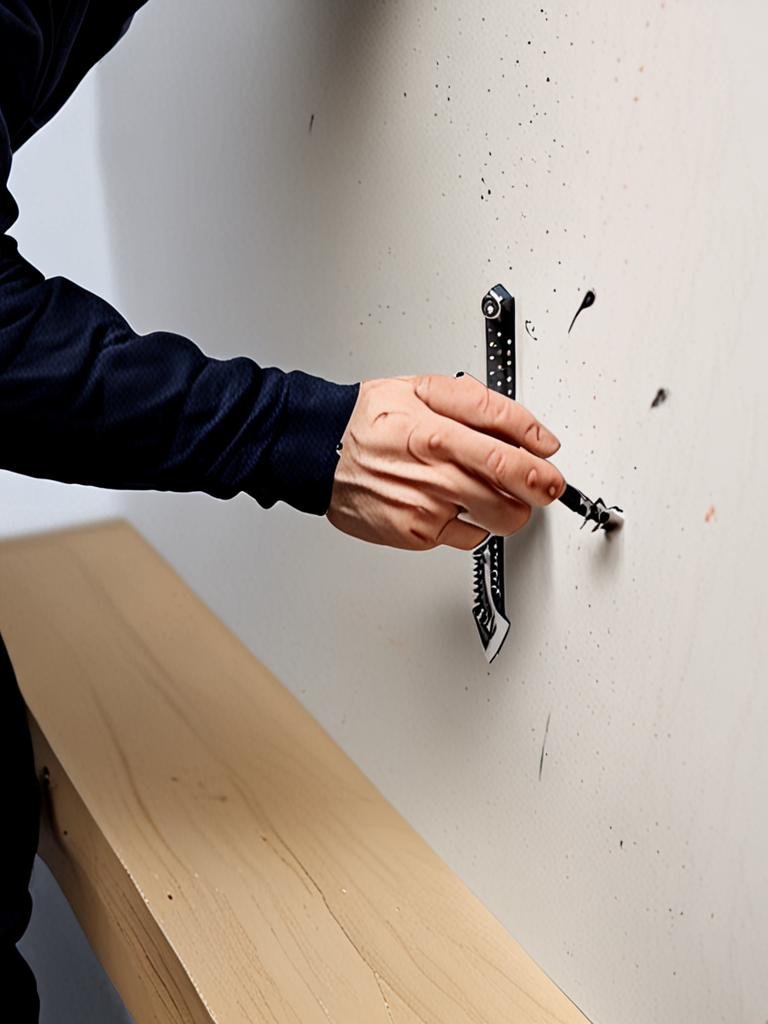
- Install anchor and attach: Insert the anchor carefully. With toggle bolts, squeeze spring wings and slide the bolt through until the toggle expands behind the wall. For self-drilling anchors, screw directly using a power drill, stopping when flush to the surface. Tighten a mounting bracket with reinforced screws into the anchor.
- Test before loading: Give each anchor a gentle pull or hang a test weight to confirm security. Only then attach your item—TV, shelf, or organizer.
If you’re organizing a closet or adding heavy shelving, consider doubling up anchors on each mounting point. For transforming other storage areas with minimal drilling, you may appreciate our over the door organizer guide for efficient, damage-free storage.
Advanced Analysis, Comparisons & Common Pitfalls
User complaints for wall anchors are almost always tied to improper selection or rushed installation. Skipping stud detection, under-sizing your anchor, or mounting too close to weak wall edges leads to expensive failures. Engineers recommend toggle bolts or Snaptoggle variants for dynamic loads such as TVs and gym equipment, provided the wall cavity is deep enough. High humidity can cause some metal anchors—especially untreated steel—to corrode and lose strength over time. Installation procedures also present risks: big toggle holes are hard to patch if you move the anchor, while overtightening may crumble drywall or deform plaster.
Compare anchor types, their use scenarios, and installation challenges in the table below:
| Anchor Type | Max Weight (Drywall) |
Key Strength | Common Failures | Installation Challenge | Best For |
|---|---|---|---|---|---|
| Toggle Bolt | 100-200 lbs | High load capacity, good for dynamic loads | Wall damage on removal, requires deep cavity | Large hole needed, needs precision | TV mount, heavy shelves |
| Molly Bolt | Up to 50 lbs | Expands behind wall for stability | Pulled out if overloaded, tricky to size | Pre-drilling & accurate sizing | Artwork, medium shelves |
| Self-Drilling Anchor | 25-75 lbs | Fastest install, minimal wall damage | Lower weight limits, may wobble over time | Needs strong starting angle, can strip easily | Small shelves, accessories |
| Wedge/Sleeve Masonry Anchor | 200+ lbs (Masonry) | Very high capacity, suitable for concrete/brick | Not for drywall/plaster walls | Requires impact drill, more dust/debris | Garage racks, outdoor fixtures |
For specialty wall covering or repairs post-install, check out our Art3d pink marble contact paper review for unique, renter-friendly finishing options.
Conclusion: Choosing Wall Anchors for Heavy Loads
The right choice of the best wall anchors for heavy items is determined by your wall type, load requirements, and exact installation method. Toggle or Snaptoggle bolts are unmatched for strength in drywall and plaster, while wedge anchors dominate in masonry. Take extra time to size, pre-drill, and test before adding weight to avoid hidden hazards and failures. Ready to upgrade your skills with pro-level wall fixing? Select the best wall anchors for your needs and transform your space with safety and confidence.
FAQ: Best Wall Anchors for Heavy Items
What type of wall anchor holds the most weight in drywall?
Toggle bolts generally hold the most weight in drywall, supporting between 100 and 200 lbs when installed in proper wall thickness. Snaptoggle variants are also highly recommended for their load capacity and ease of use.
Why do wall anchors sometimes fail?
Failures usually happen due to improper installation, weak wall material, overloading the anchor, or not clearing out dust from the drilled hole. Anchors may also pull out when stressed from dynamic loads like swinging TVs or overloaded shelves.
Can I use anchors in plaster or masonry walls?
Yes. For plaster, toggle bolts and molly bolts work well when sized correctly. For masonry walls such as concrete or brick, use specialized wedge or sleeve anchors instead of drywall anchors for the highest strength and reliability.
How can I spot hidden wiring or plumbing before drilling?
Use a high quality deep wall scanner before drilling to detect pipes, electrical wires, or metal inside your wall. This is essential for safety, especially in older homes where layouts may be unpredictable.
Is professional installation worth it for heavy items?
If mounting very heavy or irreplaceable items, a professional can provide expertise and ensure compliance with local building codes. It is also a good investment if your walls have special conditions or the risk of hidden utilities is high.