Best utility knife for home use is more than a basic tool: it is the difference between safe, frustration-free DIY improvements and costly accidents or sloppy results. If you pick the wrong utility knife, you risk wobbly blades, clumsy grips, and even hand injuries. This guide explains what makes a home utility knife truly reliable, how to choose the right model, and why paying attention to durability and proper features will streamline your next project.
Key Takeaways
- Modern utility knives for home use now prioritize tool-free blade changes, robust safety features, and ergonomic grips to reduce slip risk during DIY work.
- Many users face problems with blade wobble, bulky designs, or poorly-engaging locks; understanding blade compatibility and knife weight can prevent these frustrations.
- Selecting a utility knife with magnetic blade retention or automated blade retraction will improve both safety and maintenance needs for frequent use.
- What You Need to Know About Best Utility Knife for Home Use
- Step-by-Step: Choosing & Using the Right Utility Knife
- Advanced Comparisons & Common Pitfalls
- Conclusion
- Frequently Asked Questions
What You Need to Know About Best Utility Knife for Home Use
The best utility knife for home use combines durability, safety, and ease of maintenance to support everything from opening boxes to cutting drywall. A quality utility knife should feature an ergonomic non-slip handle, auto-retractable or fixed blade lock, and allow blade changes without extra tools. Look for stainless steel or high-carbon steel construction for corrosion resistance and strength—these materials now lead the market in 2024 models.
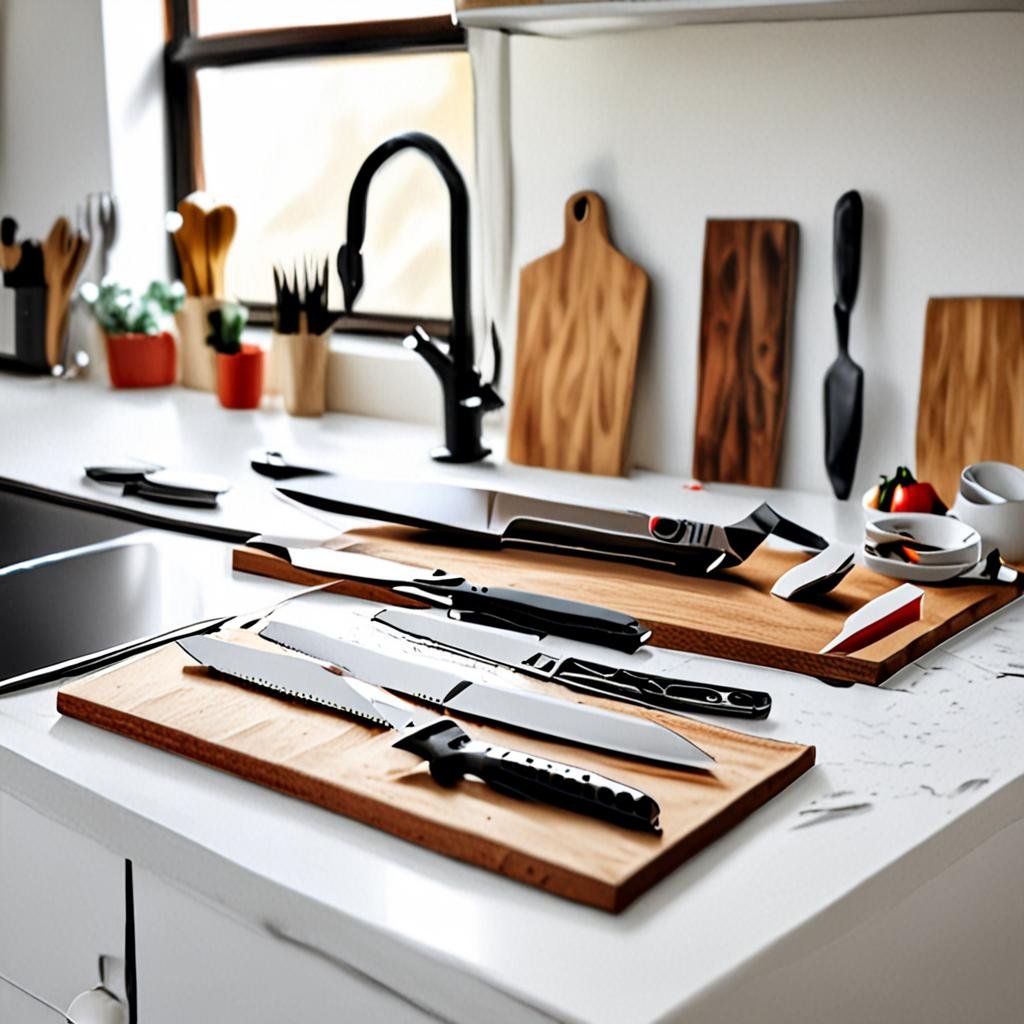
Essential supplies you’ll need for effective use include heavy-duty snap-off blades, spring-loaded blade dispensers, and a magnetic parts tray for small components. For more advanced tasks, combine your utility knife with a durable sanding block to prep surfaces or a waterproof silicone caulk sealant to finish edges after trimming caulk or insulation.
If you are updating home fixtures or tackling furniture flip projects, accurate cutting and consistent blade stability are crucial. This is where advanced locking mechanisms and reliable brands—like the Milwaukee Fastback Flip Utility Knife or the Stanley FatMax Utility Knife—make a clear difference. Pay attention to warranty support as well; reputable models often include lifetime or one-year limited coverage, which helps protect your investment.
Step-by-Step: Choosing & Using the Right Utility Knife
To find and use the best utility knife for home use, follow these actionable steps:
- Assess Your Daily Tasks: Are you mainly opening boxes, slicing insulation, or cutting drywall? Choose a standard retractable blade for general use or a heavy-duty fixed knife for thicker materials.
- Inspect Blade Change Mechanism: Look for models with tool-free blade release. The OLFA L-2 Heavy Duty Utility Knife, for instance, lets you change blades in seconds for continuous workflow.
- Check Safety Features: Demand spring-loaded locking or automated blade retraction. The Slice Safety Box Cutter is a good example of a utility knife designed specifically to reduce injury.
- Test Ergonomics and Blade Stability: Hold a few different knives in store if possible. Models with anti-slip grip and balanced weight, like the Stanley FatMax, offer better control for detailed work.
- Maintenance and Blade Compatibility: Ensure your knife works with standard and heavy-duty refill blades. Certain brands, like Fiskars Pro Utility Knife, have magnetic blade retention for easy swaps and safer handling.
- Evaluate Warranty and Reputation: Choose a brand with a clear warranty and real-world positive ratings for blade retention and durability. Check that your knife is certified (CE or ISO 9001) for extra peace of mind.
If organizing tools or optimizing storage is on your to-do list, check out options like an adjustable under sink organizer to keep blades and maintenance supplies readily accessible and safe from children or pets.
Advanced Comparisons & Common Pitfalls
Not all models labeled as the best utility knife for home use live up to the promise. Here are pitfalls to watch for, plus a detailed comparison:
| Model | Blade Change | Safety Feature | Grip Comfort | Compatibility | User Complaint | Warranty | Certifications |
|---|---|---|---|---|---|---|---|
| Stanley FatMax Utility Knife | Tool-free | Auto-retract | Ergonomic, anti-slip | Standard/Heavy-duty | Some find it bulky for detail work | Limited lifetime | ISO 9001, CE |
| Milwaukee Fastback Flip Utility Knife | Quick-flip, tool-free | Spring lock | Slim, well balanced | Standard | Lock can stick under heavy use | Limited lifetime | ISO 9001 |
| OLFA L-2 Heavy Duty Utility Knife | Snap-off | Slide lock | Textured, comfort grip | Heavy-duty blades only | Slide lock can loosen over time | One-year limited | CE |
| Slice Safety Box Cutter | Tool-free, ceramic | Automatic retraction | Ambidextrous | Ceramic blade only | Not ideal for thick materials | One-year limited | CE |
| Fiskars Pro Utility Knife | Magnetic retention | Safety lock | Heavy duty comfort | Standard/Heavy-duty | Heavier than some models | One-year limited | ISO 9001 |
General pitfalls include choosing a model that is too bulky for detailed work, or one where the lock mechanism feels loose after repeated use. Failing to check blade compatibility can also limit your knife’s utility for diverse home projects.
If you are tackling related tasks—such as prepping walls for wallpaper or smoothing cut surfaces—the right support tools help. Discover more about using self-leveling compound for seamless installations or maximize safety with anti-slip stair tread covers to finish out your space with confidence. For flawless drywall finishes, see our Best Drywall Sander review.

Conclusion
The right utility knife will define your user experience, safety, and the quality of your DIY results. Whether you choose an auto-retractable box cutter for everyday tasks or a heavy-duty, ergonomic model for more demanding projects, inspect blade stability, safety mechanisms, and maintenance requirements before you buy. Always keep your blades sharp and your hands steady. Invest in the best utility knife for home use and upgrade the efficiency—and the safety—of your home improvement toolkit today.
Frequently Asked Questions
What blade type is best for both boxes and drywall?
Choose a heavy-duty snap-off blade or a standard utility blade that is compatible with both light and tough jobs. This allows you to switch blade types as needed for materials like cardboard or drywall.
How often should I replace the blade on my home utility knife?
Replace the blade as soon as you notice it tugging, tearing, or making uneven cuts. For frequent DIYers, swapping blades every few projects is ideal for safe, clean results.
Are there safety certifications for home utility knives?
Yes, many premium knives are CE certified and manufactured under ISO 9001 quality management standards. While ANSI cut-resistance ratings apply to gloves, choosing a certified tool can minimize risk.
What is the main difference between retractable and folding utility knives?
Retractable knives quickly adjust blade length and store the blade inside the handle, while folding knives lock the blade in place for extra stability but may require both hands to open and close safely.
How do I keep my utility knife in top condition?
Regularly clean debris from the blade track, use a magnetic tray when changing blades, and store knives in a dry place to prevent corrosion. Inspect the locking mechanism after every few uses for maximum safety.