Best drywall sander selection is the most critical starting point for a professional-grade finish on any remodeling or new build project. Choosing the right tool directly impacts dust control, surface smoothness, and how much time or effort you spend on cleanup. Yet, with new technologies, confusing features, and real durability gaps, picking the wrong sander can mean frustration or flawed results.
Key Takeaways
- Electric drywall sanders with advanced dust collection are dominating the 2024 market, offering better control and fewer messes for both pros and ambitious DIYers.
- Ergonomics and power matter as much as suction: Lightweight, battery-operated models are improving, but not all are suited for heavy, multi-room projects.
- Choosing the best drywall sander means matching your sander type and features (like variable speed or telescoping handles) to specific jobsite needs, not just headline specs.
- What You Need to Know About Best Drywall Sander
- Step-by-Step Implementation & Tools
- Advanced Analysis, Comparisons & Common Pitfalls
- Conclusion
- Frequently Asked Questions
What You Need to Know About Best Drywall Sander
The best drywall sander combines two critical abilities: delivering a perfectly smooth finish and containing drywall dust. In 2024, electric drywall sanders with built-in vacuum hoses, extendable handles, and adjustable speed controls are the clear standard for fast and clean results. Essential tools for drywall sanding include a variable speed electric sander with dust collection, compatible sanding discs (typically 120 to 220 grit), a sturdy shop vacuum (if your sander lacks integrated suction), and high-filtration dust masks.
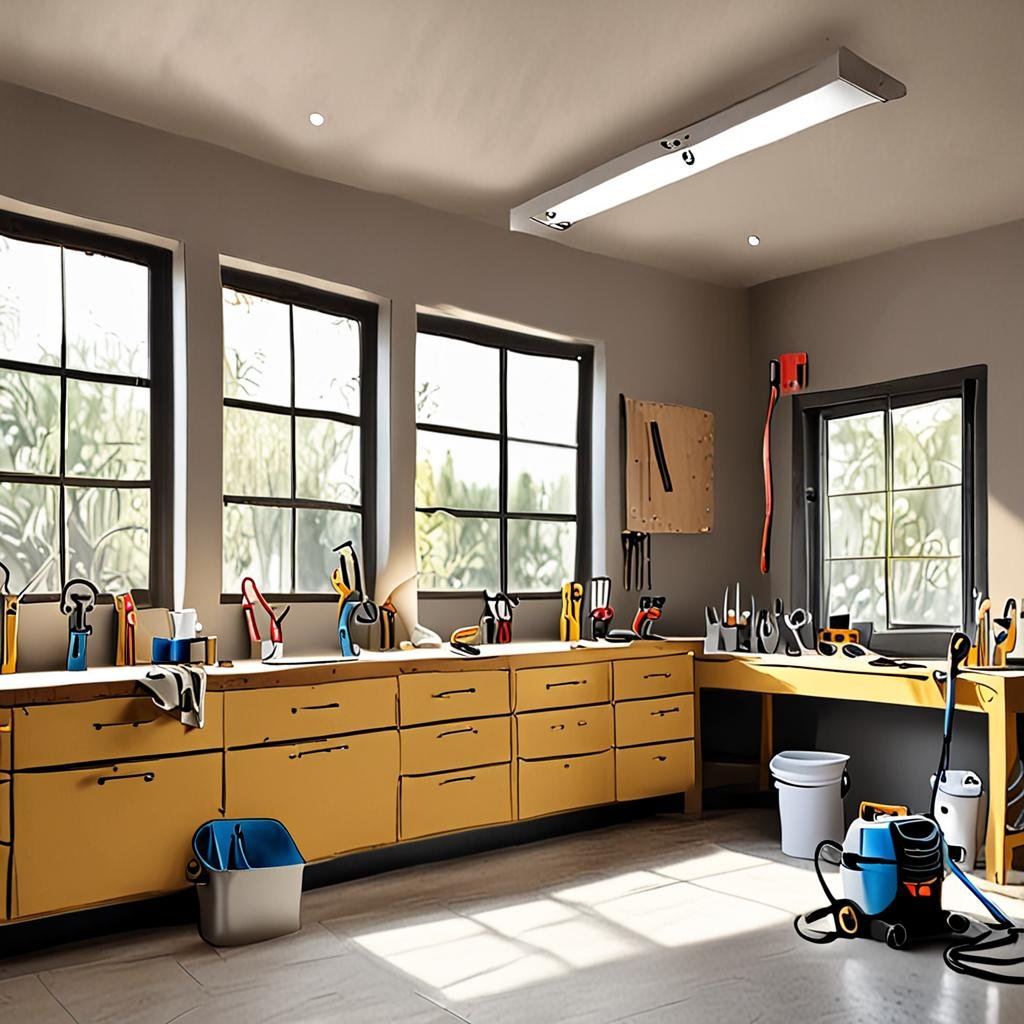
Top models like the Festool Planex LHS 2 225 EQI-Plus and the DEWALT DCE800P2 cordless drywall sander stand out for features like pivoting head joints (for ceilings or tall walls), integrated LED work lights, and multi-stage dust filtration. For simple patches or small jobs, a manual pole sander with a lightweight design and quick-change sanding head can be sufficient, but these create much more airborne dust.
Besides the sander itself, detailed prep—including covering vents, removing outlet covers, and using high-quality sandpaper discs—helps avoid time-consuming cleaning later. Choosing between corded electric, cordless, and vacuum-equipped options is the first critical decision. For fine finish control, pairing a drywall sander with the best sanding block for edges and details ensures a flawless final result.
Step-by-Step Implementation & Tools
Achieving a smooth, dust-managed finish with your drywall sander isn’t difficult if you stick to a proven process. Here’s a step-by-step method to get reliable results whether you use a premium electric sander, a high-efficiency vacuum sander, or a budget-friendly manual version:
- Surface Prep: Use a microfiber dusting cloth to wipe down walls and ceilings before sanding starts. Remove major debris for a smoother pass.
- Mask Off the Room: Seal adjacent rooms, outlets, HVAC vents, and built-ins with painter’s tape and low-residue plastic sheeting. Protecting against dust migration saves hours of cleanup.
- Choose the Right Sander: For large walls or ceilings, an extendable electric drywall sander with variable speed is ideal. Ceiling patches or tight corners do better with a small round head detail sander or sanding block.
- Attach the Correct Grit Sandpaper: Start with medium grit (around 120) for joint compound, then finish with finer grades to achieve a seamless surface. Use hook-and-loop sanding discs for quick swaps.
- Connect Dust Extraction: Always attach the dust collection hose or bag. For advanced vacuum-equipped models, ensure filter bags are properly installed. If using a standard shop vacuum, use HEPA-grade filters for safety.
- Sanding Technique: Work in long, overlapping passes, keeping the sander moving at all times. Avoid spending too long in one place to prevent gouges or uneven patches. Apply gentle pressure and let the sander’s motor and abrasive do the work.
- Inspect and Touch Up: Walk the finished area with an LED hand light to catch any missed spots or raised seams. Spot-sand with a handheld sanding block for details.
- Clean Filters and Pads: After the project, immediately empty the dust system and clean or replace filters. Inspect the power cord (for corded models) and brush heads for signs of wear.
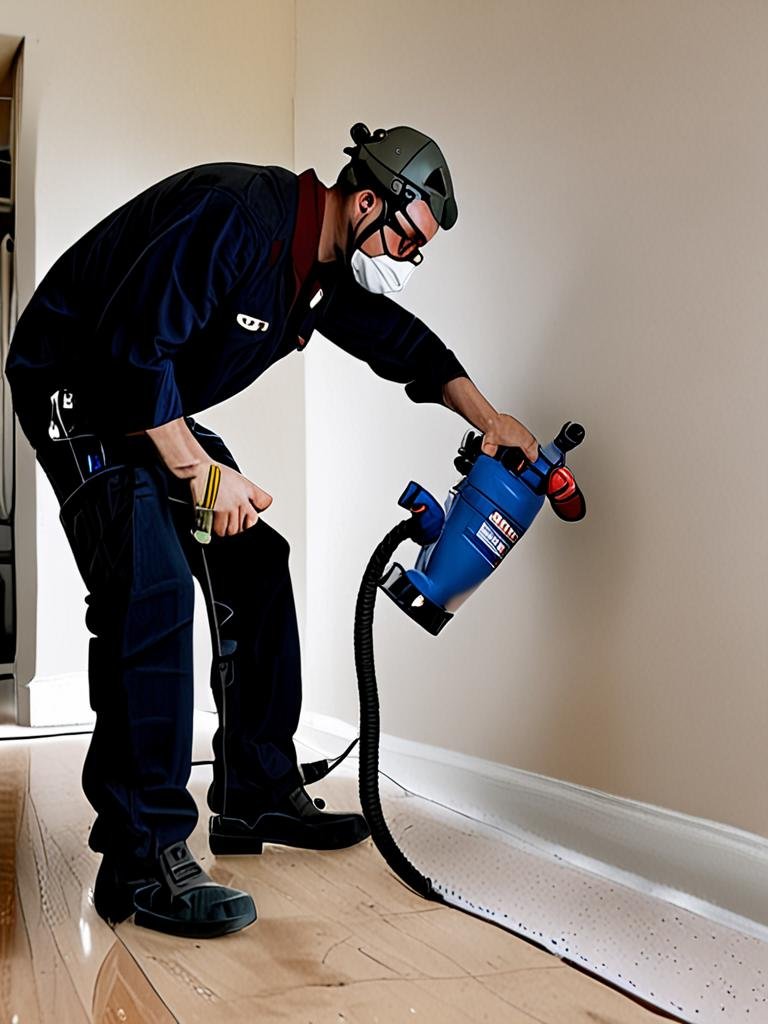
When you need the cleanest possible operation, choose tools like the POWER PRO 2100 variable speed drywall sander with dust hose, and always wear a quality dust mask and safety goggles regardless of dust collection claims. For trim or hard-to-reach details around switches, use the best utility knife for home use to gently clear excess compound before final sanding. If you’re prepping walls for premium finishes including peel-and-stick wallpapers or special paints, review techniques from this guide on floor leveling and surface prep for additional tips.
Advanced Analysis, Comparisons & Common Pitfalls
New drywall sanders have improved, but careless selection or poor technique can cause frequent and costly problems. To help, here’s a realistic look at recurring challenges, plus a direct comparison of high-performing models.
Common pitfalls include:
- Over-relying on stated dust collection rates: Even premium models usually capture 85% to 95% of dust, not 99%, unless all seals and filters are perfectly maintained.
- Poor ergonomic design causing user fatigue: Heavy motors, awkward handle shapes, or unbalanced extension arms can lead to wrist or back strain.
- Underpowered units for big jobs: Entry-level battery models and basic electrics may struggle on heavily taped seams or unprimed surfaces, requiring excessive manual touch-up.
- Missed warranty and support issues: Many buyers skip researching availability of replacement pads, filter bags, or service support—leading to expensive downtime if a part fails.
- Forgetting to sand edges and corners by hand: A large round or rectangular drywall sander will almost always miss tight spots. Overcome this by pairing with a hand sanding block.
If detail work or further surface prep is needed, see the separate guide on sanding block options for drywall.
| Model / Brand | Type | Key Features | Power | Dust Control | Use Case |
|---|---|---|---|---|---|
| Festool Planex LHS 2 225 EQI-Plus | Electric, Vacuum-Equipped | LED light head, random orbital, telescoping pole | 400-watt, flexible head | Integrated multi-stage filtration system | Ceilings, large projects, pro finish |
| DEWALT DCE800P2 | Cordless Electric | 20V MAX battery, 8 speeds, quick-change pad | Battery-powered, high torque | Hookup for external vacuum, dust shroud | High mobility, patch jobs, cordless convenience |
| POWER PRO 2100 | Electric | Variable speed, extendable handle, dust hose | 710-watt, durable motor | Dedicated suction hose, filter bag | Walls, ceilings, mid-size rooms |
| Manual Pole Sander | Manual | Lightweight, sandpaper clamp, simple design | User powered | None / minimal | Touch-ups, small jobs, tight budgets |
For maximizing workspace health, always review the latest OSHA dust standards and consult trustworthy external sources such as CDC NIOSH drywall sanding safety and Home Depot’s drywall sander buying guide. For information on accessory usage like self-leveling compounds—often needed before or after sanding—see our proven guide to floor and wall leveling products.
Conclusion
Selecting the best drywall sander in 2024 means looking beyond marketing claims and matching product strengths to your real project needs. Prioritize clean dust extraction systems, ergonomic handles, and reliable power for superior results and safer worksites. Whether renovating a whole house or prepping a feature wall, investing in the right drywall sander and complementary tools can elevate your finishing process and save hours of cleanup. Ready to achieve smoother, cleaner walls? Equip yourself with a high-performance sander and transform your next space with confidence. For clean cuts during prep work, see our Best Utility Knife For Home Use review.
Frequently Asked Questions
What makes the best drywall sander stand out in 2024?
Advanced dust collection, light weight, and ergonomic handles are the biggest improvements. Integrated LED lighting and variable speed controls are also now standard in top electric and cordless models.
Can a drywall sander be used on ceilings without making a big mess?
Yes. Choose a sander with a robust dust extraction system and an extendable handle. Always complete masking before work, and pair with a HEPA vacuum for the cleanest experience.
Are cordless drywall sanders powerful enough for entire rooms?
High-end cordless options can handle room-sized projects. However, for back-to-back jobs or continuous use, corded electric models may provide more consistent power.
Does every sander fit standard drywall sanding discs?
No. Always check both the pad size and attachment method (hook-and-loop or clamp). Using discs designed for your model ensures optimal dust collection and finish quality.
How do I maintain my drywall sander for long-term use?
Clean dust filters and collection hoses after every use. Replace sanding pads and motor brushes as recommended by the manufacturer, and check for loose attachments regularly.