As an Amazon Associate, RenewRooms earns from qualifying purchases. When you buy through links on our site, we may earn a commission at no extra cost to you.
harlequin wallpaper has surged in popularity in 2024, especially among renters and design-forward homeowners seeking bold, graphic style without permanent commitment. Whether you want to create a standout accent wall or refresh a tired room, today’s peel and stick options offer serious style and versatility—but not without a few real-world challenges.
Key Takeaways
- Harlequin wallpaper is trending, especially in renter-friendly peel and stick formats, but installing diamond patterns takes patience and precise alignment.
- Material quality and adhesive performance vary widely—choose wisely to avoid peeling, residue, or tears.
- There are practical ways to prep, apply, and remove harlequin wallpaper for best results, plus clever design tricks for seamless integration into any room.
- What Is Harlequin Wallpaper and Why Is It Trending?
- Step-by-Step Guide: Installing Peel and Stick Harlequin Wallpaper
- Advanced Analysis & Common Pitfalls
- Conclusion: Bringing Harlequin Wallpaper Into Your Home
- FAQ
What Is Harlequin Wallpaper and Why Is It Trending?
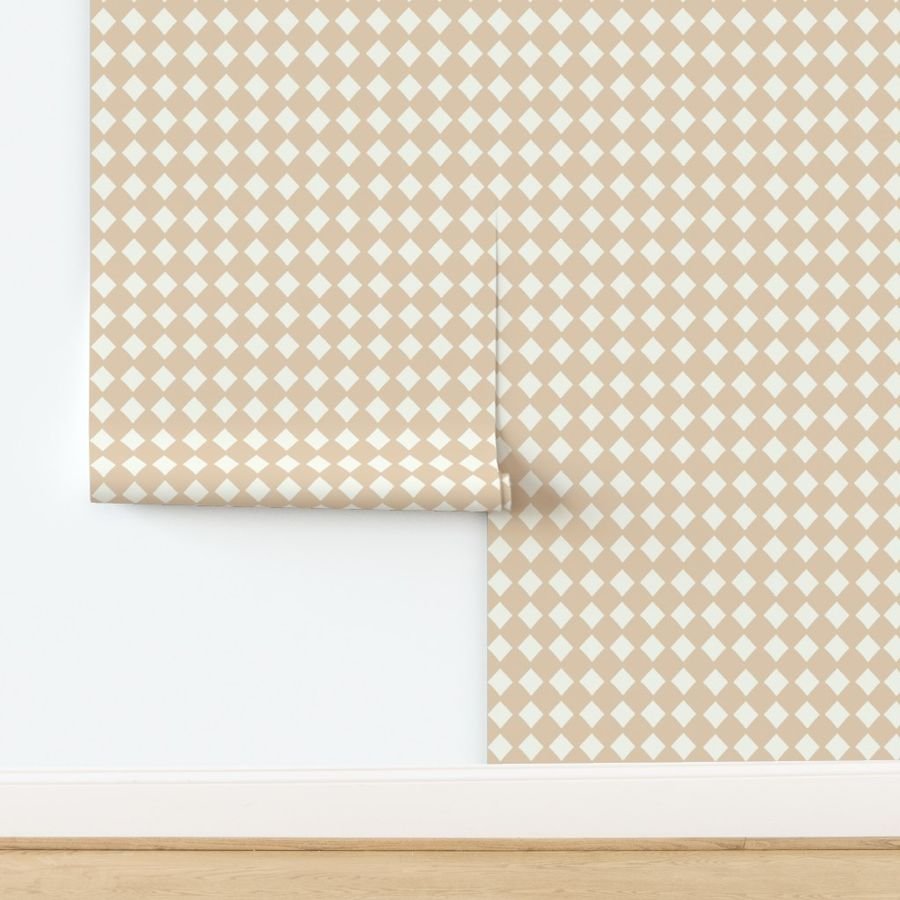
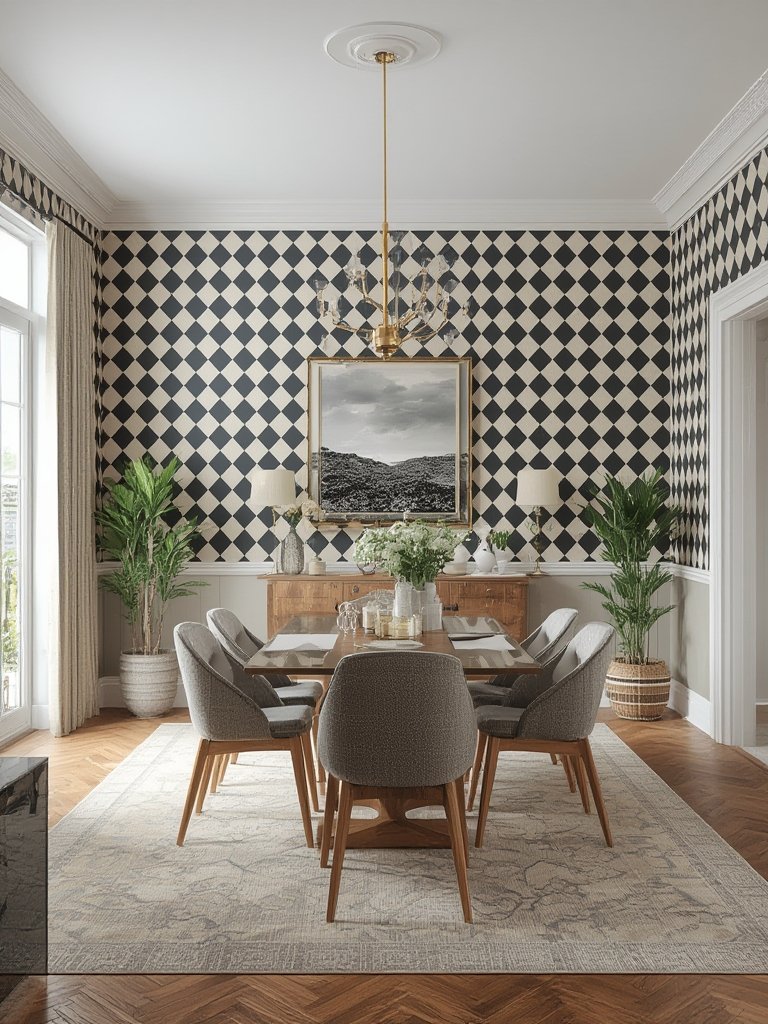
Harlequin wallpaper features a repeating diamond pattern, often in bold contrasting colors like black and white or multicolor palettes. It brings a playful, timeless quality to interiors, drawing inspiration from classic European decor and modern geometric trends. In 2024, harlequin patterns are at the forefront of interior design thanks to their versatility—they suit both minimalist and maximalist spaces and work as feature walls, backsplashes, or subtle accents.
The market has seen a marked shift toward peel and stick and renter-friendly harlequin wallpaper. According to recent industry reports, sales of peel and stick diamond wallpaper jumped by 15% over the past year, attributed to increased urbanization and the demand for decor that’s stylish yet removable. This aligns with broader trends in temporary design solutions. Designers especially recommend harlequin wallpaper for bedrooms, living rooms, and even bathrooms—provided you use moisture-rated materials. Pairing a bold harlequin wall with a funky lamp or living room accent can maximize the visual punch.
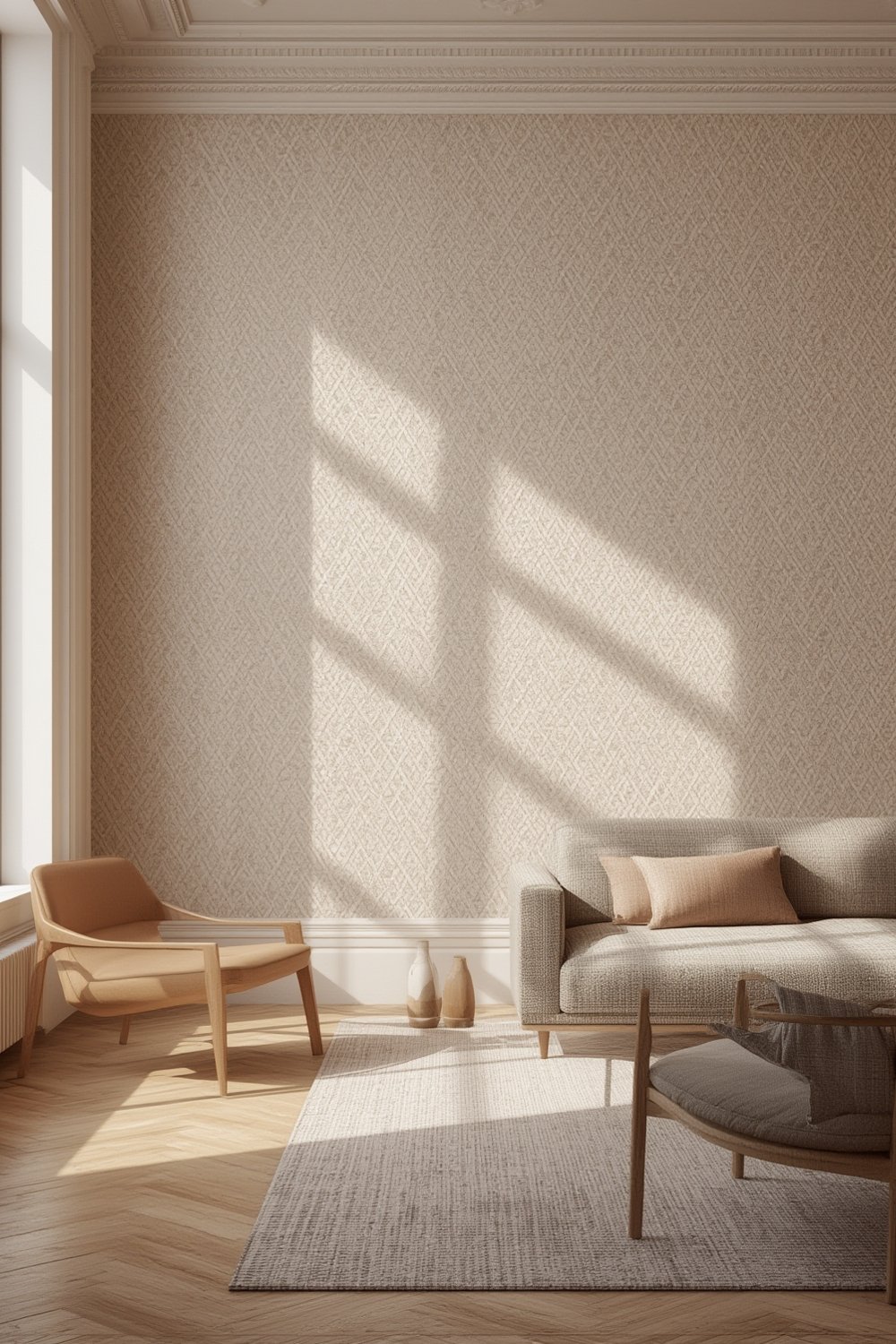
Why the buzz? The answer hinges on flexibility and the growing group of renters who demand sophisticated, non-permanent decor. Peel and stick harlequin wallpaper allows for dramatic style upgrades with minimal risk—and (in theory) no wall damage.
Step-by-Step Guide: Installing Peel and Stick Harlequin Wallpaper
Installing peel and stick harlequin wallpaper is beginner-friendly, but the geometric diamond pattern means precision is crucial. Here’s a detailed, actionable walkthrough that addresses real sticking points often overlooked by competitors.
- Surface Preparation
- Clean the walls thoroughly with a damp cloth to remove dust, grease, or residue. Any debris will show through thin, light-colored wallpaper and hinder adhesion.
- For best results, lightly sand painted or textured walls, wipe clean, and ensure the surface is completely dry before application.
- Measuring and Cutting
- Measure your wall and cut wallpaper strips 2-3 inches longer than the wall’s height. This allows for minor ceiling and floor variance.
- Pre-fit strips with the backing still on to confirm pattern alignment.
- Application Process
- Mark your starting line (always use a level for harlequin patterns).
- Peel back 12-18 inches of the liner and stick the paper at the top of your line, smoothing with a squeegee or credit card to push out air bubbles as you work down.
- Continue peeling and sticking, working down the strip and smoothing out bubbles as you go. Adjust as needed—don’t be afraid to peel off and reposition carefully if the pattern drifts.
- Overlap patterns slightly for perfect alignment, then trim excess at floor and ceiling with a sharp blade.
- Removal Process
- Start peeling at a top corner and pull gently down and away from the wall. Move slowly to avoid tearing, especially with thinner materials.
- If adhesive is stubborn or leaves residue, use a hairdryer set on low to loosen the glue. Gently wipe any leftover adhesive with a mild soap solution.
- Expert Installation Tips
- On uneven or especially glossy surfaces, apply a primer formulated for peel and stick wallpaper to improve hold.
- In moisture-prone environments like bathrooms or kitchens, confirm your wallpaper is rated for wet areas and always use a bathroom-ready primer to boost durability.
If you’re DIY-ing a kitchen backsplash or bathroom accent, check this guide to the best peel and stick backsplash for extra prep and product recommendations.
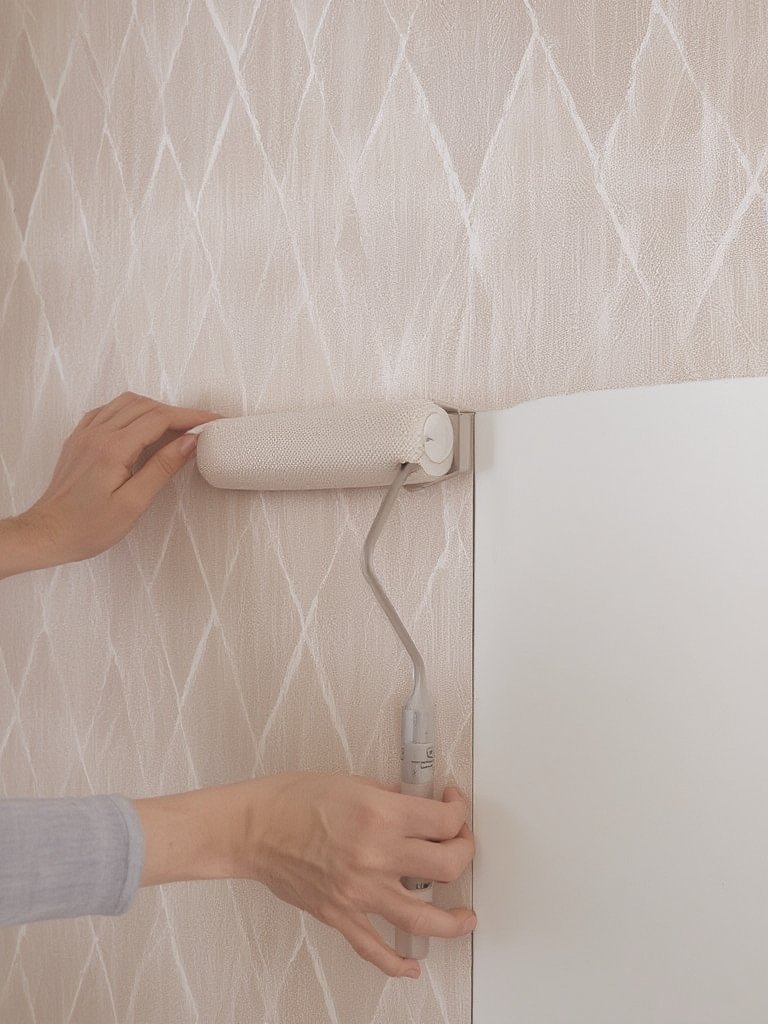
For deeper inspiration and tips on integrating harlequin patterns with color and furniture, see our complete rundown: Harlequin Wallpaper: Diamond Pattern Ideas.
Advanced Analysis & Common Pitfalls
Despite the appeal, installing harlequin wallpaper—especially peel and stick versions—comes with real challenges. Here’s what manufacturers, users, and designers report most often, along with a comparison of premium versus budget options.
Common User Complaints and Why They Happen
- Pattern Misalignment: Harlequin (diamond) shapes magnify any small installation errors. Even a slight tilt becomes obvious, so precise measuring and leveling are essential.
- Edge Peeling and Adhesion Loss: In humid climates or bathrooms, cheaper adhesives may fail at the edges or along seams—especially if walls were not fully prepped.
- Material Tears: Thin, paper-based peel and stick wallpaper is more likely to tear during both installation and removal, especially if you have to reposition panels.
- Adhesive Residue: Low-quality adhesives can leave a sticky film behind, sometimes damaging paint finishes. Some brands do not disclose this clearly.
Material & Adhesive Comparison Table
| Feature | Premium Harlequin Wallpaper | Cheaper Alternatives |
|---|---|---|
| Material Thickness | Thick vinyl or fabric, high opacity, resists tearing | Thin paper, prone to bubbling or ripping |
| Texture | Textured, mimics traditional wallpaper | Smooth, flat |
| Adhesive Strength | Pressure-sensitive, resists humidity and aging | Basic glue, may fail in heat or moisture |
| Residue on Removal | Usually minimal to none | Can leave film or damage paint |
| Environmental Impact | Some use eco-friendly, low-VOC inks | Often uses standard plastics, little recycling info |
| Price (2024) | Varies by model (DIY friendly) | Varies by model (may need professional install) |
Information Gaps in Other Guides
- Long-Term Adhesive Concerns: Few guides warn how certain adhesives may affect paint if left for years, especially behind radiators or in sunlight. Testing a small patch is wise.
- Environmental Sustainability: Most brands now promote low-VOC inks, but details on recyclability and material origins are hard to find. Look for products with explicit eco-certifications.
- DIY Installation Realities: Real-world installation is rarely as simple as influencers show. Always allow time for measuring, pattern matching, and fixing alignment errors—even professionals can struggle with complex harlequin arrangements.
The learning curve can be steep for geometric wallpapers but the payoff is dramatic. Incorporate matching or complementary textiles, like cushions or throws, for a finished look—see more inspirations and budget upgrades in our bathroom inspo guide.
Conclusion: Bringing Harlequin Wallpaper Into Your Home
Harlequin wallpaper offers bold, modern energy for renters and homeowners alike, especially with new peel and stick technologies. Choose wisely—a bit of careful prep and patience pays off with stunning results that bring life to bedrooms, living rooms, and more. Explore coordinated decor swaps, like lighting upgrades from our funky lamp feature or color palette refreshes from our living room ideas. Ready to transform your room? Start with the right harlequin wallpaper and let your space make a statement.
FAQ
Can I install harlequin peel and stick wallpaper in a bathroom?
Yes, but choose a wallpaper specifically rated for moisture resistance and use a bathroom-ready primer to aid adhesion. Avoid direct water spray zones for best longevity. For more bathroom-ready design tips, see our bathroom inspo guide.
Will peel and stick harlequin wallpaper damage my walls or paint?
Quality wallpaper rarely damages walls, but cheaper brands can cause paint peeling or leave residue. Always test a small area before full installation, especially on older or delicate paint finishes.
How do I prevent air bubbles and pattern misalignment during installation?
Use a squeegee or credit card as you press on each strip, working from the center out. Set up a vertical guideline with a laser level for the first strip and check alignment as you go. Taking your time is the best prevention.
How does peel and stick compare to traditional wallpaper for cost and durability?
Premium peel and stick harlequin wallpaper costs more per square foot but usually saves on installation. Traditional paper is cheaper per foot but demands professional labor, raising total costs. Peel and stick is removable and renter-friendly, but may not last as long in high-traffic or humid spaces.
Are there eco-friendly harlequin wallpaper options?
Some brands offer low-VOC inks and better recyclability. Check product listings for sustainability certifications and materials. This is an area where market transparency is still evolving.